Introduction
A futures contract is an agreement to buy or sell something at a set price on a future date. The thing being bought or sold might be a commodity, currency, interest rate, or market index.
The word “future” describes when the agreement is settled. It does not mean the price or result is known in advance.
How does a futures contract work?
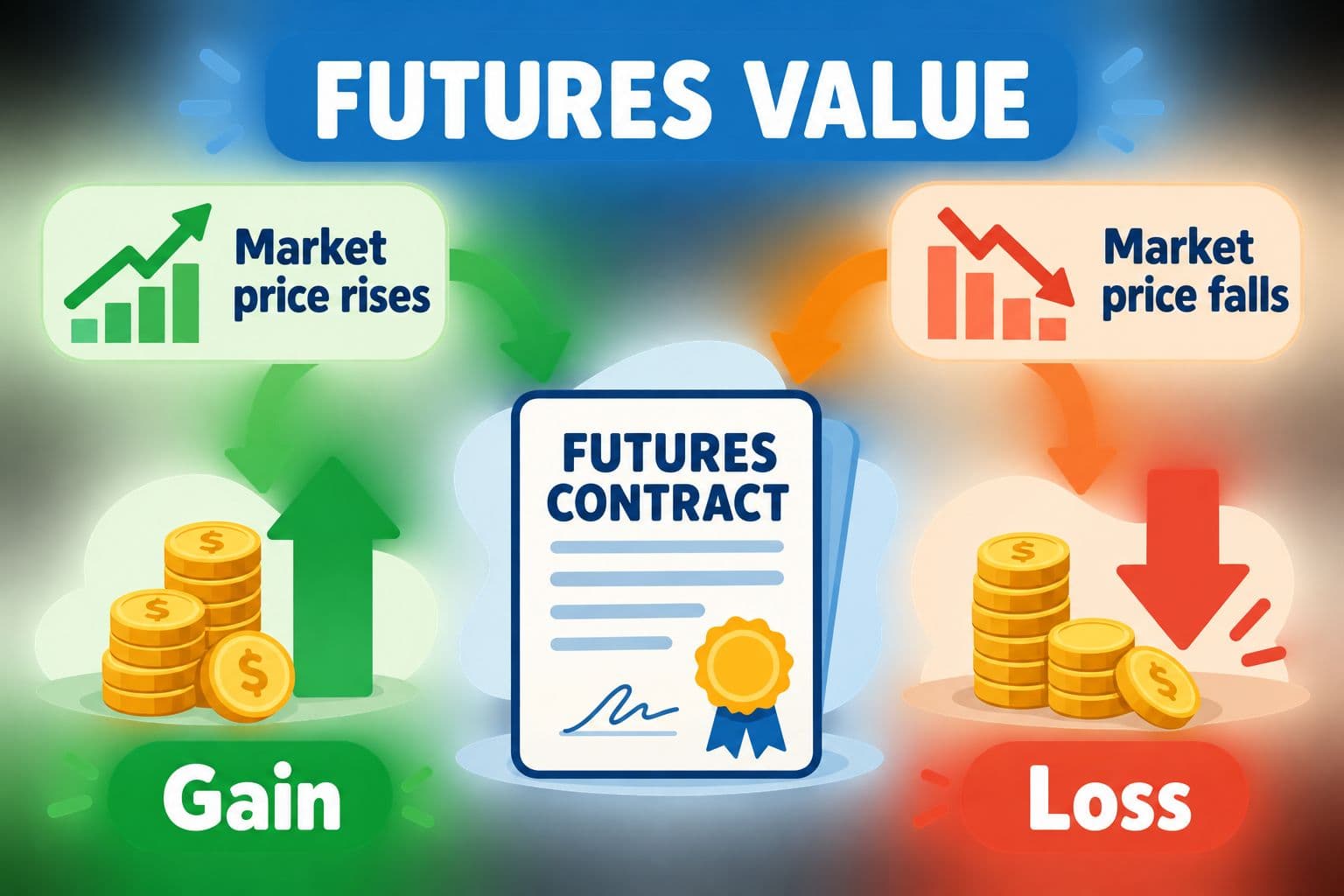
Two sides agree on the details today: what the contract is based on, the price, the amount, and the date. The contract then changes in value as the market price of the underlying thing moves.
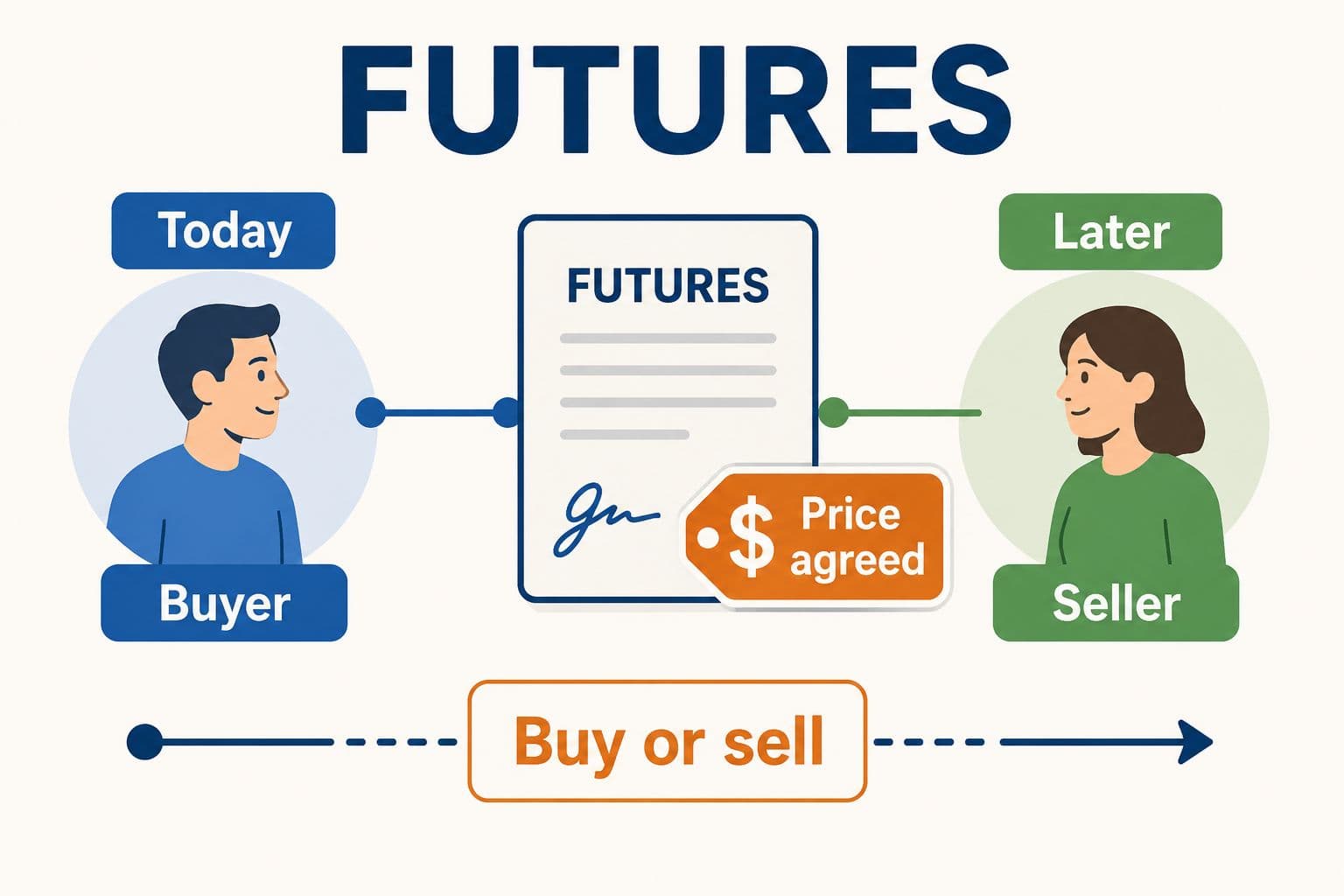
For example, a contract might be linked to the price of oil in three months. If oil becomes more expensive than the agreed price, one side may benefit and the other side may lose. If oil becomes cheaper, the result reverses.
Many futures contracts are settled in cash rather than by delivering the underlying thing. The exact rules depend on the contract and the exchange where it trades.
Why do people use futures?
Businesses can use futures to plan for prices. For example, an airline may want more certainty about fuel costs. Investors and traders may use futures to take a view on a market or to reduce the effect of a price change somewhere else.
Using a futures contract is different from simply buying the underlying asset. You are entering an agreement whose value can move in both directions.
What is leverage?
Futures often require an amount called margin rather than the full value of the contract. This can make a large position possible with less money paid up front. That feature is called leverage.
Leverage increases the size of gains and losses compared with the money set aside. You may have to add more money if the contract moves against you, and a broker may close the position if you cannot meet the requirement.
What are the risks?
Futures can be complex and can lose money quickly. Prices may move sharply, the contract may expire, and leverage can make a small market move feel much larger. Some contracts also have low trading activity, which can make buying or selling harder.
A step to take:
Learn the contract’s underlying asset, expiry date, margin rules, and maximum possible loss before considering a futures position.
Final Thoughts
A futures contract is an agreement about a future purchase or sale at a price agreed today. Futures can help manage certain price risks, but their leverage and expiry rules make them unsuitable for many beginners. Make sure you understand the contract before using one.
Discuss on: